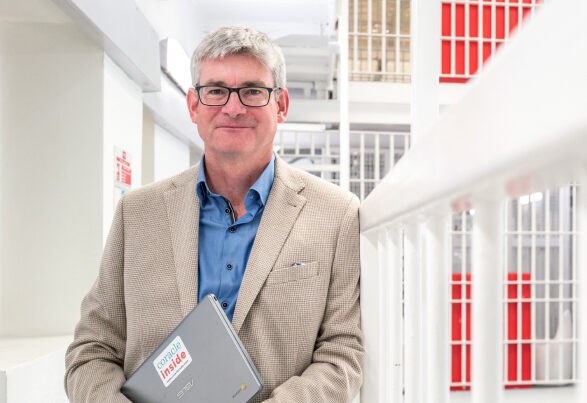
Coracle uses regular hackathons to unlock practical innovation for learners who often have low confidence, low literacy, neurodiversity-related barriers, and a negative history with education. Hackathons help prisoners and unlock innovation in ways that benefit both individuals and the wider prison community.
By giving developers freedom to experiment (and fail fast), the team created tools inside its Osprey-VLE prison learning platform that quietly adapt to how each prisoner engages, described as an “AI cellmate” that supports learning without the user needing to ask for help.
A key outcome was the Accessible Content Engine (ACE), which reformats complex materials into low‑literacy and neurodiversity‑friendly content using visual storytelling and clear milestones, helping learners build confidence over time.
Overall, the piece argues that mission-led teams, working with constraints like no internet access, can deliver serious, inclusive education improvements when leadership focuses on creating the conditions for creativity rather than controlling the solutions.